
How Military Shoulder Cords Are Made in Pakistan: The Legacy Behind Every Braid
If you’ve ever seen a ceremonial uniform up close, you know that a military shoulder cord isn’t just a piece of rope it’s a symbol. To the untrained eye, it might appear as a simple decorative braid. But anyone who has served, marched, saluted or stood in formation wearing one knows the truth: a shoulder cord carries history, pride, discipline, and identity woven into every strand. And when we talk about how shoulder cords are made in Pakistan, we’re stepping into a world where tradition meets craftsmanship, where artisans work quietly behind the scenes to preserve a legacy that dates back centuries.
What makes the Pakistani process unique and why do global militaries trust Pakistan for their ceremonial cords? The answer lies in the depth of experience, the shoulder cord manufacturing process, and the emotional connection craftsmen have with every piece they create.
But before we go deep, you must understand the big pain point: Most people, especially new entrepreneurs entering the military accessories space, believe shoulder cords are made fast and cheap by machines. They don’t realize how much goes into consistent quality, durability, color accuracy, braid tightness and ceremonial authenticity. And because of this misunderstanding, many buyers fall for low quality exports, scams or unreliable shoulder cord suppliers.
Let’s solve that completely.
Because once you truly understand the story, the precision, the materials, the craftsmanship and the heart behind these cords, you’ll never look at a uniform the same way again.
The Real Problem: Most People Don’t Realize What Goes Into a Shoulder Cord
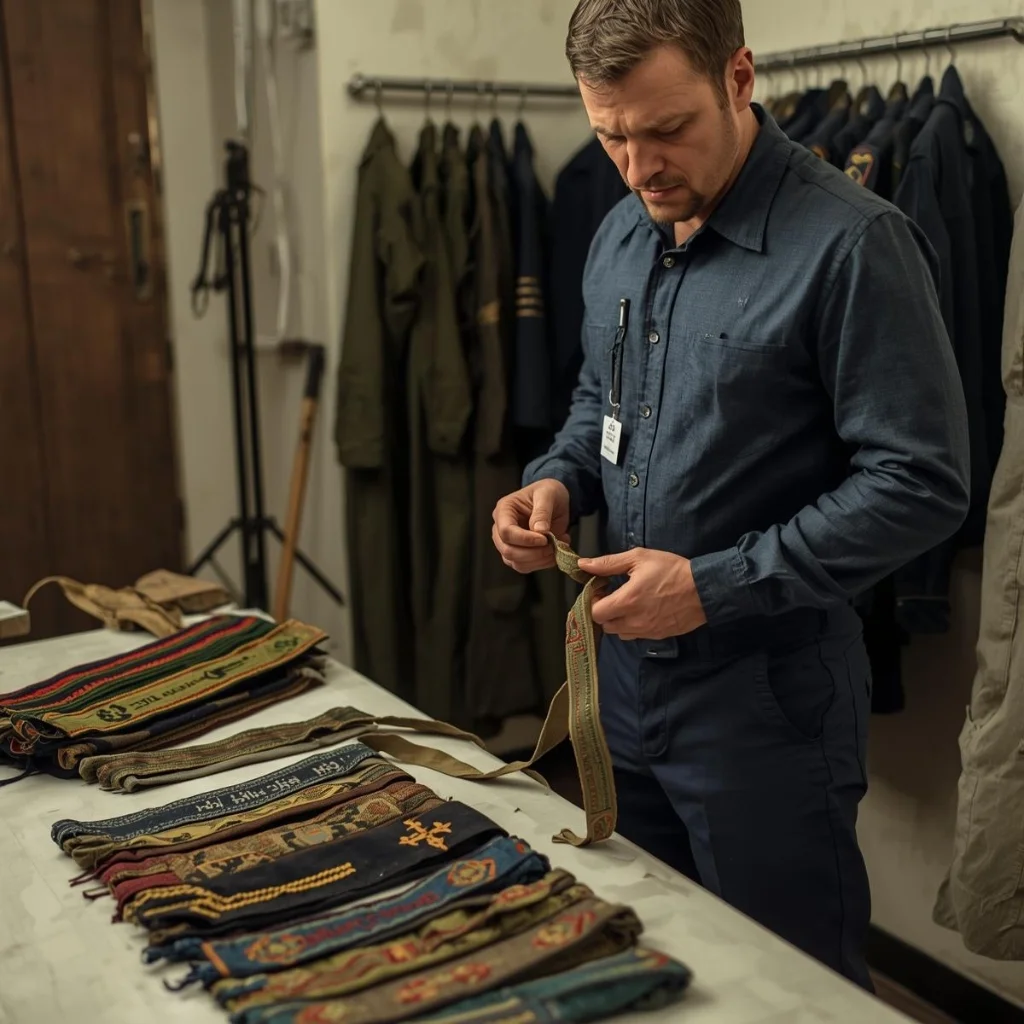
Whether you’re a military officer, a cadet, a researcher or a business owner planning to enter the uniform accessory world, you’ve likely faced one of these frustrations:
- Every military accessories manufacturer claims to be “the best.”
- Quality varies wildly from supplier to supplier.
- You can’t tell the difference between machine made and handcrafted ceremonial cords.
- You don’t know which materials last longer.
- It’s hard to verify whether the cord matches actual military standards.
- Many suppliers aren’t transparent about their military cord materials.
- You order samples, get something nice then bulk order arrives low quality.
- Shipping times are unpredictable.
- And worst of all, scams are everywhere.
This guide solves ALL these issues because once you understand how shoulder cords are made, you will instantly know how to evaluate quality, avoid scams and work confidently with authentic military shoulder cord makers in Pakistan.
Ceremonial Accessories Matter So Much in Military Culture
Ceremonial accessories may appear decorative at first glance, but in the world of the armed forces, they are living symbols. They communicate:
- Rank
- Honor
- Specialty
- Unit affiliation
- The history of the regiment
- The soldier’s personal milestones
A single braid or cord can carry decades of legacy. A polished badge can instantly reveal a soldier’s journey. And a ceremonial flag can represent the collective pride of thousands.
This emotional connection is why institutions pay close attention to sourcing high quality items such as military braid, parade accessories, dress uniform items, aiguillette cords, and ceremonial insignia about quality and authenticity.
THE COMPLETE PROCESS:From Raw Thread to Ceremonial Perfection
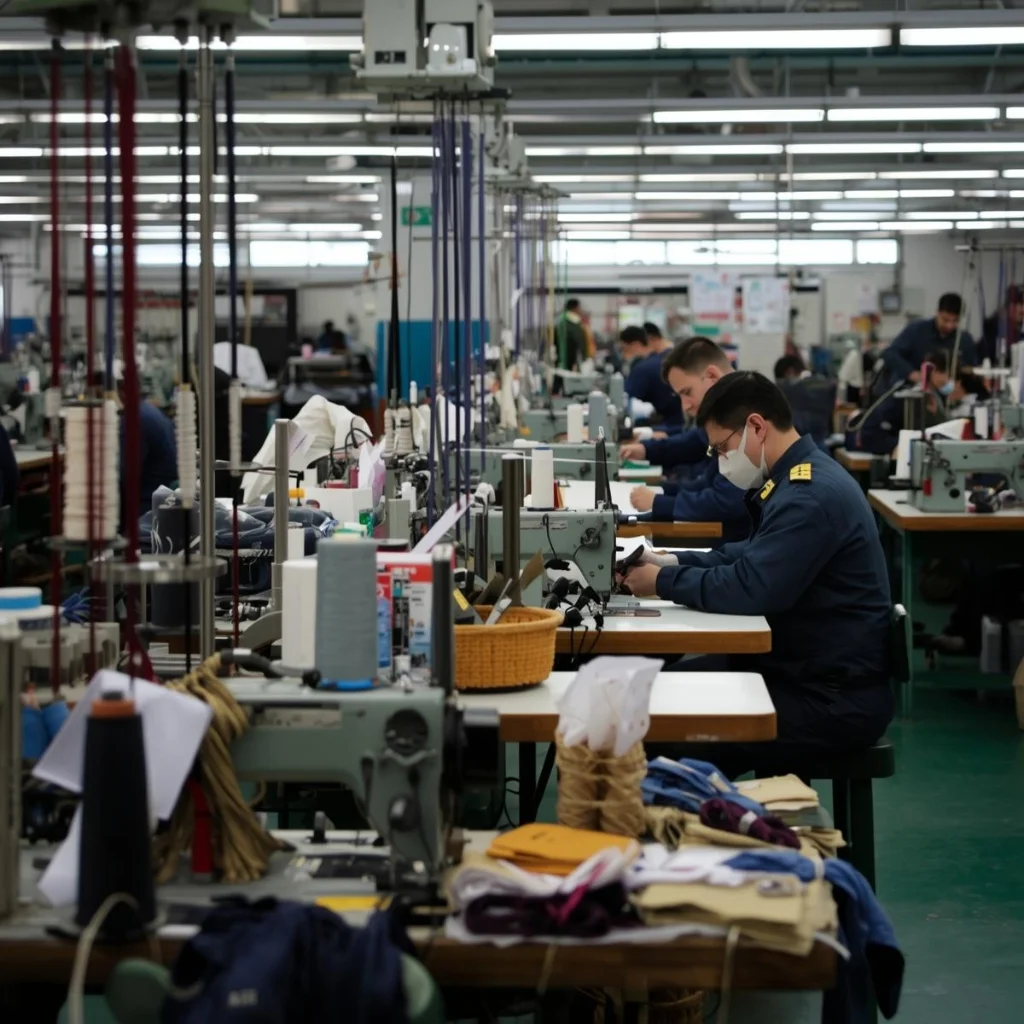
1. Choosing the Right Materials: The Foundation of Durability
You cannot create a high quality shoulder cord without understanding military cord materials. Pakistan is known worldwide for sourcing durable yarns, glossy polyester filaments, cotton blends and metallic threads used in creating robust cords for parade, ceremonial and formal uniforms.
This stage also involves selecting materials used in:
- epaulettes
- parade lanyards
- aiguillettes
- dress cords
- military regalia accessories
Each thread is checked for color consistency, tensile strength, shine and flexibility.
2. Thread Preparation: Where Quality Truly Begins
Before a single braid is made, the thread undergoes tension control, cleaning, polishing and straightening. This ensures smooth movement during the cord weaving process. Imperfections at this early stage can ruin the entire cord later.
This step is also crucial for ensuring:
- the cord won’t fray
- the cord won’t loosen
- the braid stays tight
the cord maintains its ceremonial shine
3. Braiding: The Heart of the Craft
This is where the magic happens. The artisan begins the cord braiding process a technique passed down through generations.
There are multiple braided cord techniques, each used for different uniform functions:
- flat braid
- round braid
- twisted rope style
- multi strand ceremonial braid
Pakistani artisans are professional at creating smooth, symmetrical, tight braids that never unravel during use. Whether used in parade cord production, graduation ceremonies, military parades or guard of honor formations, the braid must look flawless.
4. Hand vs. Machine Braiding: The Big Difference Manufacturers Hide
Machine made cords are faster, cheaper and almost always inferior. Why?
Machines can’t adjust tension instinctively.
Machines can’t identify faulty strands. Machines can’t achieve the feel of handcrafted ceremonial cords.
This is why premium uniform brands and global forces prefer Pakistan’s uniform cord makers, known for their hand braided precision.
5. Designing Aiguillettes and Dress Cords
When producing aiguillettes, artisans use specific aiguillette crafting techniques to create decorative knots, loops and metal tips. This is advanced work requiring deep concentration and skill.
This is also where Pakistan stands out in the global arena. The ability to maintain braid consistency while adding ornamental design is a craft very few countries still master. This is why buyers searching for how shoulder cords are made and aiguillette manufacturing often return to Pakistan for repeat orders.
6. Assembly & Finishing: The Final Beauty Work
Once braiding is complete, the cord enters the finishing stage:
- attaching metal aiguillette tips
- heat sealing ends
- stitching attachments
- polishing
- color verifying
- quality testing
This final stage ensures the cord meets formal standards used in:
- military academies
- honor guards
- parade units
- marching bands
- state ceremonial uniforms
- parade uniform accessories
The finishing touches determine how the cord sits on the uniform, how it reflects light and how long it lasts in real world use.
What are Different Types of Shoulder Cords?
There are multiple types of ceremonial cords, each serving different purposes. Parade cords are glossy, designed for visual impact. Dress cords are refined and subtle, used for formal functions. There are aiguillettes with metal tips, shoulder knots used by honor guards and twisted cords worn by cadets. These fall under the broader category of military uniform accessories, essential to completing the ceremonial attire.
This diversity of designs is why Pakistan’s manufacturers have become leaders in global parade uniform accessories.
Comparison Table Od Different Types of Manufacturers
Manufacturer Type | Strengths | Weaknesses |
Handcrafted Pakistani Workshops | Premium quality, emotionally crafted, reliable braiding | Higher cost, longer production time |
Mass Machine Made Factories | Fast production, uniform output | Lower durability, less ceremonial authenticity |
Overseas Low Cost Exporters | Cheap pricing | Color fading, weak braids, high scam risk |
Trusted military shoulder cord makers in Pakistan | Consistent quality, global export standard | Require proper communication & order planning |
Conclusion
Military shoulder cords aren’t made, they’re created. They’re crafted through discipline, skill and passion. When you understand how shoulder cords are made in Pakistan, you begin to appreciate not just the product, but the legacy behind it. You understand why Pakistan is trusted worldwide, why handmade quality matters, and why sourcing from skilled artisans is better than mass produced imports.
If you are entering the business world of ceremonial accessories, knowing the full process protects you from scams, builds buyer confidence and helps you evaluate manufacturers accurately.
FAQs
How long does it take to make a military shoulder cord?
It depends on the braid style, handcrafted cords may take several hours to complete.
Are hand braided cords better?
Yes. Hand braiding ensures tightness, durability and ceremonial accuracy.
What materials are commonly used?
Polyester, metallic yarns, cotton blends and glossy ceremonial threads.
Are Pakistani shoulder cords exported internationally?
Absolutely, Pakistan is one of the world’s leading suppliers.
What affects the price of a shoulder cord?
Materials, braiding complexity, handwork and order quantity.