
Most Popular 5 Types of Ceremonial Cords Used in Military Uniforms
There is something deeply moving about the moment a soldier puts on a uniform. It’s not just clothing, it’s a symbol of sacrifice, belonging, duty and tradition. And among the details that complete this powerful image are ceremonial cords Pakistan proudly incorporates into its military dress cords that carry history, honor and craftsmanship intertwined in every strand.
For many people, these cords seem like decorative accessories. But for someone who understands military heritage, they represent identity. They tell the world who a soldier is, what they have achieved and which unit they serve. And if you’re someone searching for information about these cords, chances are you’re either part of the forces, a collector, a supplier, a manufacturer or a curious enthusiast who wants to understand what makes these cords so significant.
Before diving into the types of cords, it’s important to understand the problem many people face: there is very little simple, clear, information about ceremonial cords anywhere online. Most explanations are overly technical or incomplete. So this guide aims to solve that to make the understanding of military aiguillettes, shoulder cords, whistle cords and decorative lanyards as relatable as possible.
Below is a complete and deeply informative breakdown of ceremonial cords Pakistan uses across different branches of the armed forces.
The History and Emotion Behind Ceremonial Cords
If you have ever seen a soldier stand tall in full ceremonial dress, you probably noticed how the cords catch light and draw attention. That shine isn’t accidental. Historically, these cords symbolized honor, rank and the readiness of a soldier. The roots go back to European armies, where cords were used to secure whistles, weapons or flags eventually evolving into symbols of prestige.
In Pakistan, these traditions were carried over and adapted with local pride. The cords worn today during parades, commissioning ceremonies, national events and guard duties reflect decades of military tradition and craftsmanship.
What makes people emotionally connected to these cords is the meaning behind them:
- A son wearing his first parade cord while his parents watch proudly.
- A cadet receiving his first aiguillette after passing grueling training.
- A soldier standing guard during a state ceremony with an immaculate shoulder lanyard that signifies professionalism.
When you understand this emotional context, the cords are no longer accessories, they are symbols of moments, memories and milestones.
Understanding Ceremonial Cords in Pakistan
In today’s military, ceremonial cords have three key purposes:
Identity: They show what unit a soldier belongs to.
Rank and Achievement: Highly polished cords often represent distinguished positions.
Formality: These cords elevate the uniform during official or ceremonial events.
The most commonly used types of ceremonial cords Pakistan utilizes include:
1. Aiguillettes
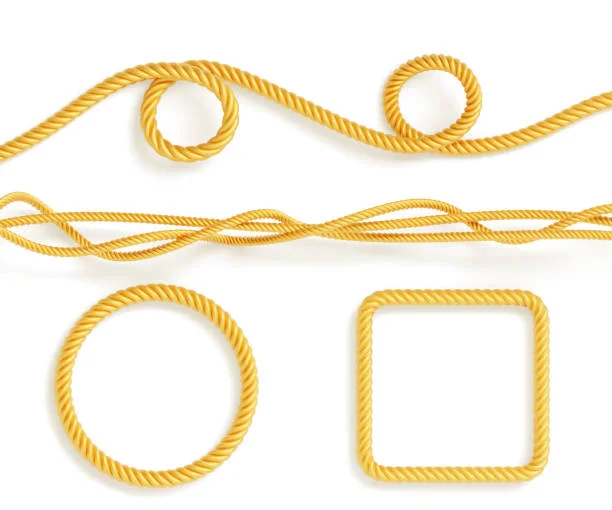
Aiguillettes are among the most visually striking cords worn by officers and specially appointed personnel. In Pakistan, parade aiguillettes and dress aiguillettes are found across Army, Navy, Air Force, Rangers and Police ceremonial uniforms.
Aiguillettes usually feature a braided cord ending in metal tips. Their shine and structured form make them instantly recognizable. Higher ranking officers often wear gold aiguillettes, symbolizing authority and leadership.
Because aiguillettes sit close to the heart on the shoulder, many officers describe wearing them as an emotional moment. a reminder of the responsibilities they carry.
2. Shoulder Cords
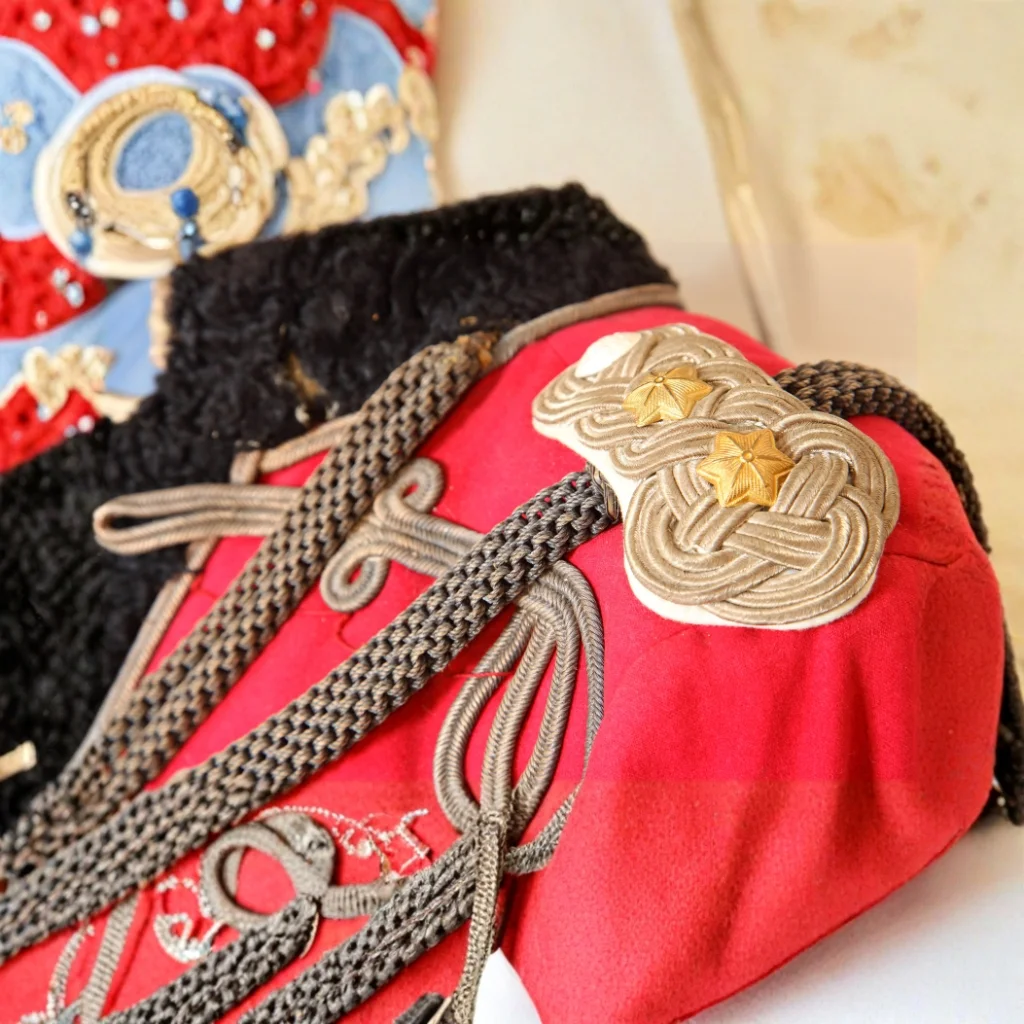
Shoulder cords play a massive role in the ceremonial appearance of soldiers. These cords, also known as military lanyards, rest neatly across the shoulder and add elegance to parade uniforms. They are used frequently in Pakistan’s Rangers, Police, ASF and Cadet Colleges.
Their structured, thick braiding adds presence and strength to the uniform. These cords often indicate unit affiliation, which creates a sense of pride and unity among soldiers.
3. Whistle Cords
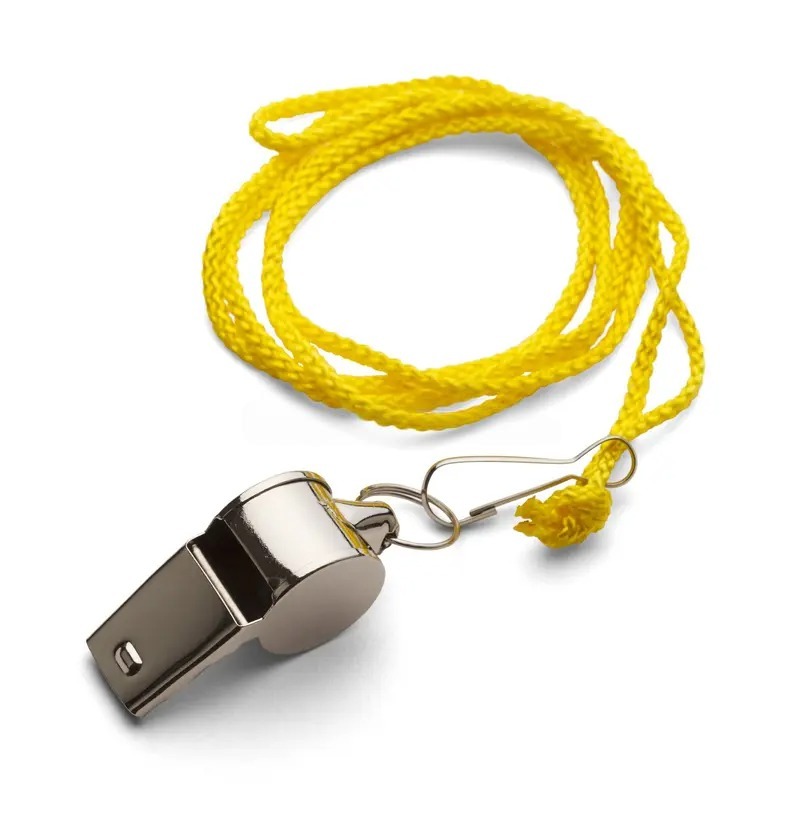
Traditionally, whistle cords held whistles used for communication in the field. Today, they exist mostly for ceremonial or functional purposes in Police, Navy and Parade units.
Though simple in design, whistle cords are emotionally significant. Many officers remember the moment they received their first whistle cord as a symbol of readiness and responsibility.
4. Dress Lanyards
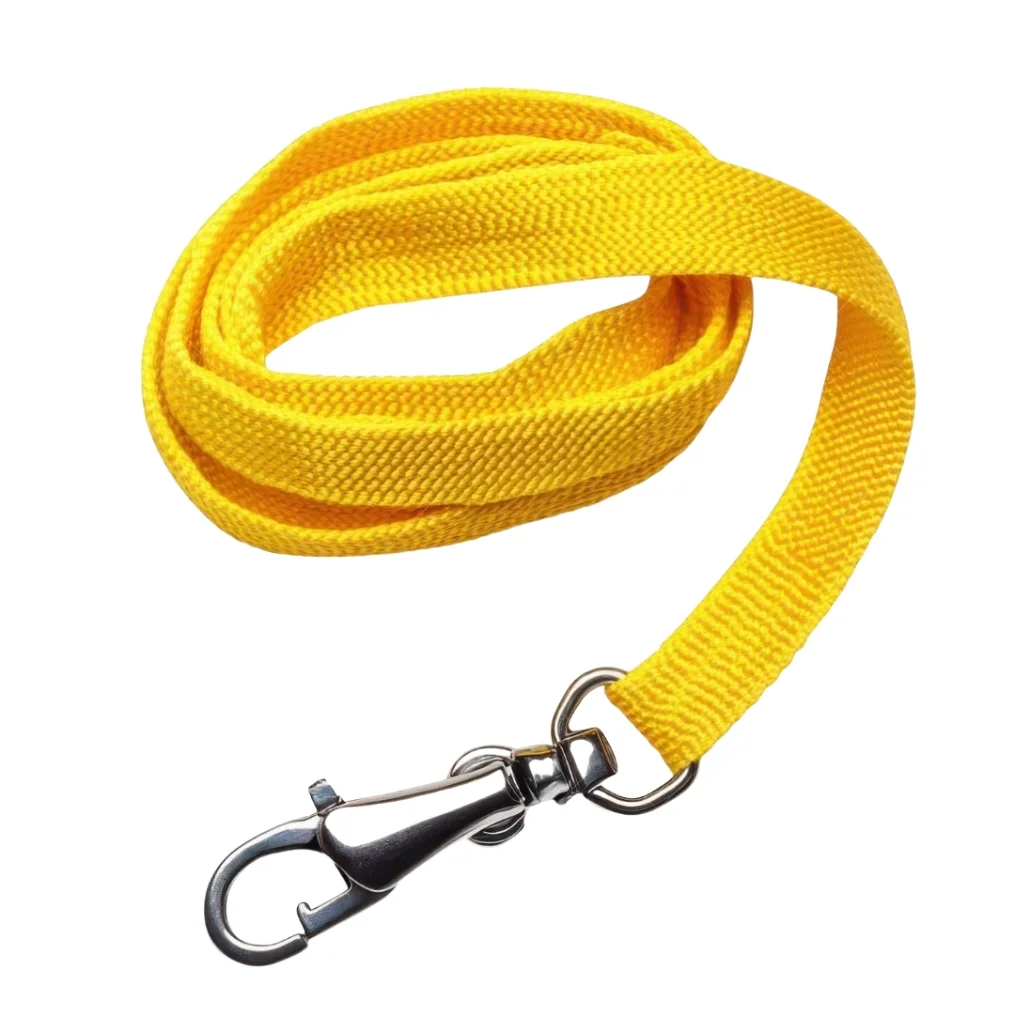
Dress lanyards are lighter versions of shoulder cords and are used with less formal uniforms. These lanyards are worn by cadets, scouts and lower command units, they are more flexible but still represent discipline and belonging.
Their simplicity makes them extremely versatile and many families cherish these lanyards as keepsakes representing their child’s or loved one’s journey in service.
5. Ceremonial Braids
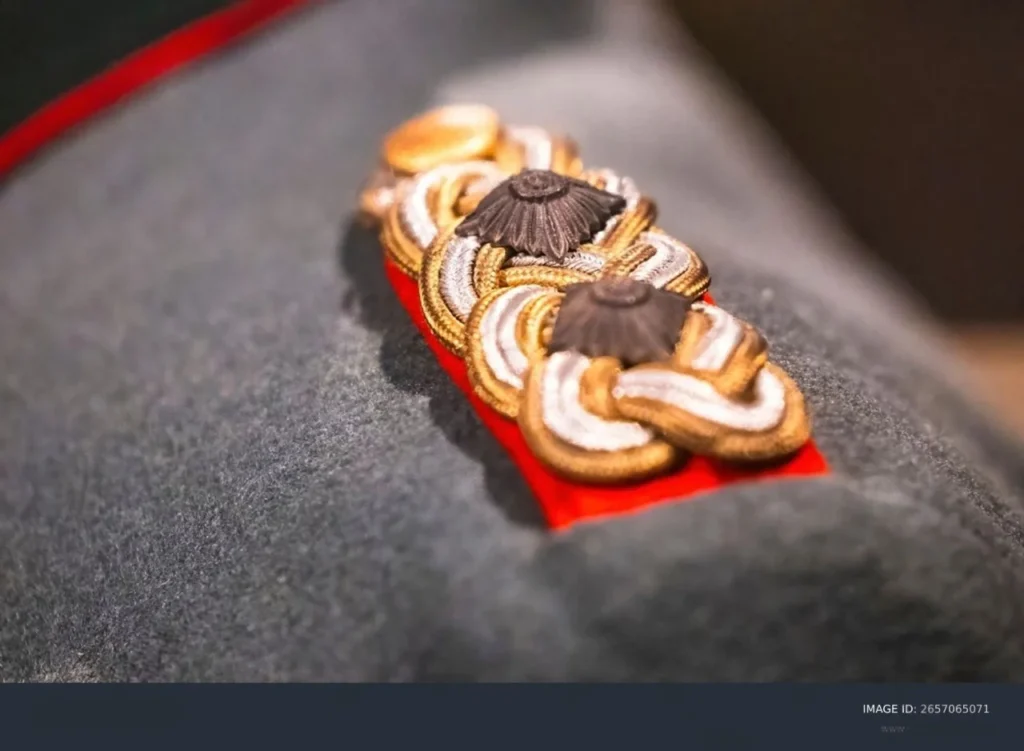
Ceremonial braids are intricately woven cords used for high profile events such as state ceremonies, flag hoisting and military parades.
These braids are often custom made and their craftsmanship showcases the skill of Pakistan’s uniform accessories industry. When soldiers march wearing these braids, the uniform gains a polished, dignified appearance that connects deeply with national pride.
Comparison Table of Ceremonial Cords
Type of Cord | Main Use | Visual Style | Emotional Value |
Aiguillette | Officers and prestigious roles | Braided, metallic tips | High honor, leadership |
Shoulder Cord | Parades and ceremonial units | Thick braid | Belonging, unit identity |
Whistle Cord | Functional and ceremonial | Thin cord with clip | Readiness, discipline |
Dress Lanyard | Cadets and scouts | Lightweight braid | Early achievement |
Ceremonial Braid | High events and parades | Heavy decorative braid | National pride |
Why the Quality of Ceremonial Cords Matters
Cords must:
- retain shape
- shine under stage lights
- sit correctly on uniforms
- endure polishing, sweat, adjustments
- resist fraying during long ceremonies
This is why many institutions search for high quality ceremonial cords from trusted suppliers.
The problem?
Not all manufacturers in the market understand the emotional and symbolic value of these cords. Many provide mass produced, low quality options that weaken the dignified appearance of uniforms.
The solution lies in choosing a supplier who understands tradition, symbolism and professional craftsmanship.
If you want to learn more about aiguillette manufacturers in Pakistan you can go check our page: Aiguillette Manufacturer in Pakistan
Conclusion
Ceremonial cords are far more than uniform accessories, they are symbols of honor, discipline, rank and tradition that connect a soldier to history, identity and national pride. Whether it’s an aiguillette worn by an officer, a shoulder cord used in parade units, or a whistle cord handed to a new cadet, each piece carries emotional weight and reflects the craftsmanship behind Pakistan’s military heritage. And when you understand the meaning, purpose and types of these cords, choosing the right one for your institution, academy or uniform becomes not only easier but deeply meaningful, so if you want ceremonial cords that combine tradition, durability and premium craftsmanship, upgrade your uniforms with the finest military ceremonial cords in Pakistan today from JIFK.com and honor every ceremony with unmatched quality and pride.
FAQs
What are ceremonial cords used for?
For formal military uniforms, rank identity and ceremonial dignity.
Which cords do officers wear?
Aiguillettes and high grade shoulder cords.
Are all cords the same design?
No, each branch and rank has unique styles.
Can civilians buy ceremonial cords?
Yes, through authorized manufacturers like JIFK.
How do I choose the right ceremonial cord for my unit?
Consider unit traditions, rank requirements, and occasion type. For parades and formal events, aiguillettes and ceremonial braids are preferred.
What materials are used in high quality ceremonial cords?
Premium cords are made of durable braids, metallic tips and long-lasting threads that maintain shape, shine and longevity even with frequent use.
How do I maintain ceremonial cords?
Regular cleaning, gentle polishing and proper storage ensure cords remain bright and presentable for ceremonies.