
Marine Pilot Epaulettes – Worn by Those Who Command the Harbor.
Marine Pilot Epaulettes: A Symbol of Authority on America’s Waterways
In the maritime world, few symbols carry as much authority and respect as Marine Pilot Epaulettes. Worn by licensed marine pilots who guide vessels safely through harbors, rivers, and coastal channels, these epaulettes represent leadership, precision, and responsibility.
For the U.S. marketplace, quality and compliance matter. Whether serving ports along the Atlantic Coast, the Gulf, or the Pacific, American marine pilots rely on professional-grade uniform accessories that reflect their rank and responsibility.
What Are Marine Pilot Epaulettes?
Marine Pilot Epaulettes are shoulder insignia worn on maritime uniforms to indicate rank and authority. Typically designed with gold braid stripes on a black base, they are attached to pilot jackets, shirts, or formal uniforms.
In the United States, marine pilots operate under strict regulatory and licensing standards. Organizations such as the United States Coast Guard oversee maritime safety and credentialing, making professionalism in uniform presentation essential.
Epaulettes are not just decorative — they are a visible mark of expertise and command.
Why Quality Matters in the U.S. Market
American maritime professionals expect:
Durability – Long-lasting materials that withstand daily use
Precision Stitching – Clean, sharp stripes that reflect rank clearly
Color Consistency – Deep black fabric with bright, high-quality gold braid
Standardized Sizing – Proper fit for formal and operational uniforms
In competitive U.S. ports like those in Houston, New York City, and Los Angeles, professional appearance reinforces credibility and authority.
Types of Marine Pilot Epaulettes
Marine Pilot Epaulettes are commonly available in:
2-Stripe Epaulettes – Junior-level authority
3-Stripe Epaulettes – Senior operational rank
4-Stripe Epaulettes – Chief or senior-most pilot rank
Each stripe signifies experience, certification level, and command responsibility.
Materials & Craftsmanship
High-quality Marine Pilot Epaulettes for the U.S. market are typically made with:
Premium gold bullion wire or metallic braid
Durable black polyester or wool-blend fabric
Reinforced stitching for long-term wear
Velcro or slip-on backing for easy attachment
Precision craftsmanship ensures the stripes remain straight, evenly spaced, and resistant to fraying — critical for maritime professionals who represent safety and authority.
Compliance & Professional Standards
Marine pilots operate under rigorous safety standards established by U.S. maritime authorities. While uniform accessories are not directly regulated in design, they must align with professional maritime traditions and organizational dress codes.
A well-crafted epaulette reinforces trust — especially when working alongside agencies like the American Pilots’ Association, which represents state-licensed marine pilots across the country.
Why Choose Premium Marine Pilot Epaulettes?
When selecting Marine Pilot Epaulettes for the U.S. marketplace, buyers should look for:
✔️ Professional-grade materials
✔️ Clean finishing & edge binding
✔️ Accurate stripe width and spacing
✔️ Customization options for bulk or institutional orders
✔️ Reliable international manufacturing with consistent quality
For maritime suppliers, distributors, and uniform contractors, investing in premium epaulettes ensures long-term customer satisfaction and repeat business.
Marine Pilot Epaulettes: More Than an Accessory
Marine Pilot Epaulettes are more than uniform details — they symbolize leadership, maritime expertise, and responsibility for the safe movement of vessels through American waters.
From major commercial ports to specialized harbor operations, professional pilots deserve uniform insignia that reflect their authority and dedication.
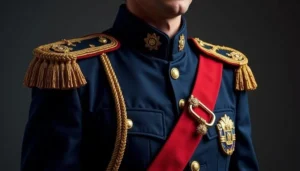
Conclusion: Wear the Authority. Lead the Waters.
In America’s busiest ports and waterways, marine pilots carry immense responsibility — guiding massive vessels safely through narrow channels, harbors, and coastal routes. Their uniform is more than tradition; it is a statement of professionalism, discipline, and command.
High-quality Marine Pilot Epaulettes are not just accessories — they are symbols of earned authority. Crafted with precision, durability, and attention to detail, they reflect the standards upheld by institutions like the United States Coast Guard and respected maritime bodies across the nation.
For the U.S. marketplace, excellence is expected — not optional. When you choose premium Marine Pilot Epaulettes, you choose craftsmanship that matches the responsibility of those who guide America’s waters.
Authority in Every Stripe. Confidence in Every Command.
FAQs
Why not just carry a backpack instead of filling so many pockets?
A backpack is not a soldier’s best friend, as it can hamper the soldier’s movement, be unstable during a fight, and also be difficult to access at times. On the other hand, pockets enable quicker, safer, and more even distribution of gear.
Do pockets on the Army dress uniform serve the same purpose as on the Army combat uniform?
No. The army combat uniform is designed for field use with maximum storage. The army dress uniform is mostly ceremonial, with limited but discreet storage options.
How do pockets affect movement during missions?
They’re strategically placed to balance weight and prevent restrictions. Proper pocket placement helps soldiers move freely while carrying essential items.
Are there differences between army service uniform pockets and combat uniform pockets?
Yes. The army service uniform has a more formal design, where pockets are subtle and primarily symbolic. Combat uniform pockets are bulkier, practical, and built for survival.
Why are sleeve and knee pockets important?
Sleeve pockets allow quick access to small items without moving gear. Knee pockets hold larger, less frequently used items while keeping the soldier balanced.